
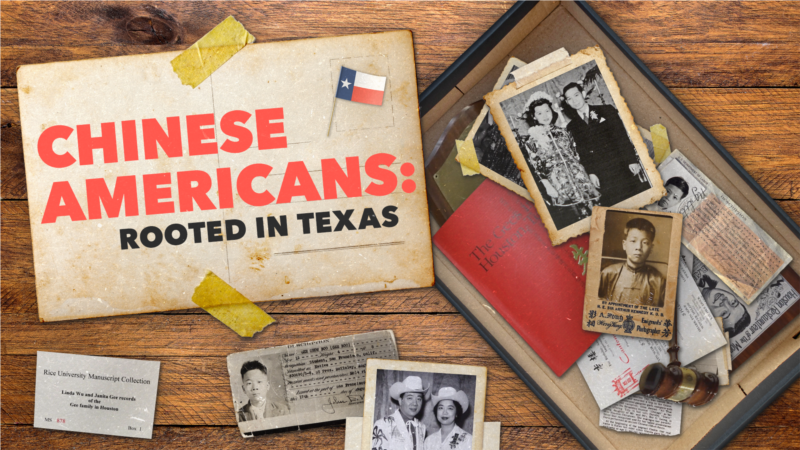
An oral-history archive at Rice University is preserving the experiences of Chinese and other Asian Americans whose families helped shape Houston across generations, from early immigrant businesses to the desegregation of the city’s restaurants.
The Houston Asian American Archive contains around 500 first-person accounts, along with photographs, documents and family records. The collection is designed to keep community histories accessible to researchers, teachers and younger Texans.
Family stories connect migration and city life
One set of materials traces the life of restaurateur Albert Gee. Born in the United States, he spent part of his childhood in China after his father died, then returned and eventually built a life in Houston. His restaurants attracted prominent visitors and he helped later Chinese immigrants establish themselves in the city.
Another history records the journey of David Gee, who arrived as a teenager in the late 1920s using purchased identity papers during the era of the Chinese Exclusion Act. After nearly a year in detention at the Angel Island immigration station, he was allowed to remain in the country and later settled in Houston.
The first large wave of Chinese migration to Houston arrived in the 1940s and 1950s. Community networks helped newcomers find work and housing despite legal segregation across the American South.
Asia Society Texas and the archive have turned some of these histories into classroom guides and a web comic about Albert Gee. The project aims to ensure that Asian American students can see their families represented in the history of Texas, which now has the third-largest Asian American population among US states.