
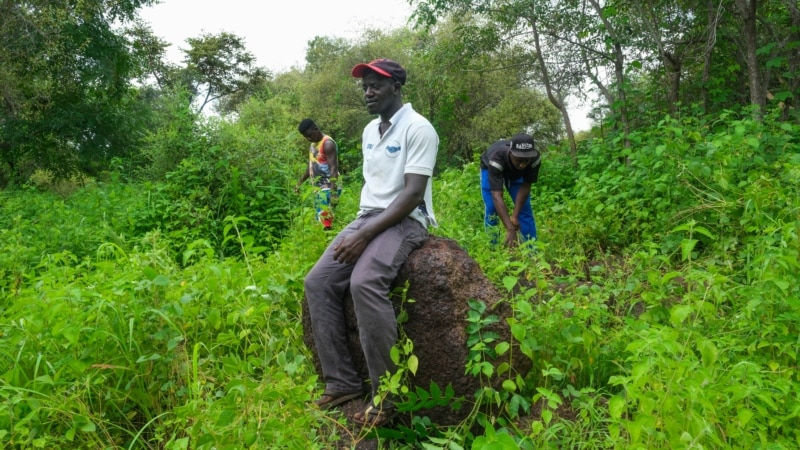
Archaeologists investigating Kansala, the former capital of the West African kingdom of Kaabu, have paired their excavation report with a song by a hereditary griot so the findings can be shared through the region’s own tradition of oral history.
Kaabu existed from the mid-1500s until the 1800s and at its height extended across present-day Guinea-Bissau and parts of Senegal and The Gambia. Its rulers and major events were remembered for generations through griots, historians who preserve and perform community memory, often with the kora string instrument.
Excavation tests a long-told account
A team led by researchers from the Spanish National Research Council worked with local historians and descendants during the largest archaeological excavation yet undertaken in Guinea-Bissau. Seventh-generation griot Nino Galissa composed a musical account that combines traditional forms with evidence uncovered at the site.
The dig supported an important part of Kansala’s oral history. Tradition held that the city fell during a siege in the 1860s when its ruler ignited a gunpowder store rather than accept defeat. Archaeological work in the area identified by elders found evidence consistent with a major explosion.
Researchers also uncovered material showing extensive trade with Europe, including Venetian beads and Dutch gin containers. The objects add physical detail to histories preserved by local families.
Project partners say the collaboration demonstrates that oral sources can guide archaeological questions and communicate results more effectively to nearby communities. Rather than treating song as separate from academic evidence, the Kansala project used each method to test and enrich the other.