
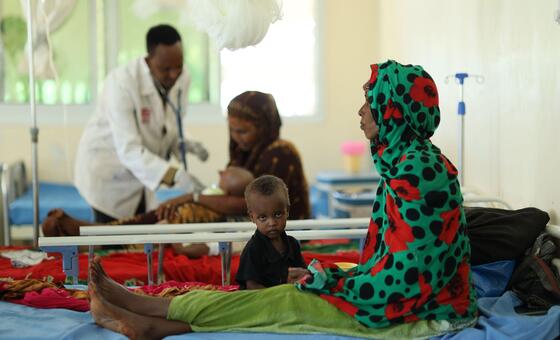
More than 200 health and nutrition facilities have closed in Somalia as humanitarian funding contracts, leaving children and families with longer journeys to reach treatment at the same time drought, displacement and food insecurity are increasing demand.
UNICEF says the closures are already changing the profile of the crisis. Admissions of children with severe acute malnutrition and medical complications are 32 per cent higher than a year ago. The agency says this does not necessarily mean more children are becoming ill; many are arriving in worse condition because community nutrition services that once identified and treated them earlier are no longer available.
Support disappearing as needs rise
Nearly one million children under five, adolescent girls and women could lose access to nutrition services. Under the most severe projection, the number of closed facilities could rise from more than 200 to 618.
The cuts come as an estimated 1.9 million Somali children are expected to face malnutrition this year, including almost 500,000 at risk of the most dangerous severe acute form. Northern areas are experiencing drought while communities also face the possibility of extreme flooding, continuing conflict and higher costs for fuel and agricultural inputs.
UNICEF pointed to a record of effective treatment that is now at risk: between 2021 and 2025 it supported more than 2.25 million children with severe acute malnutrition, and reported a 97.6 per cent cure rate in 2025. The agency says programmes and local partners remain in place, but the money required to operate them is running out.