
Rangelands stretch across every continent except Antarctica and support food, livestock and incomes for two billion people, yet up to 40 per cent of these grasslands, shrublands and drylands are degraded or at risk.
They supply nearly 70 per cent of the world’s livestock feed, making their decline a direct threat to pastoral communities and food systems. Drought, invasive plants, overgrazing and long-term neglect are reducing the land’s ability to recover.
Different regions, a shared warning
In Botswana, a national ecosystem assessment found grasslands shrinking as droughts intensify and invasive vegetation spreads. Areas with strong community-led land governance were more resilient, highlighting the value of traditional knowledge.
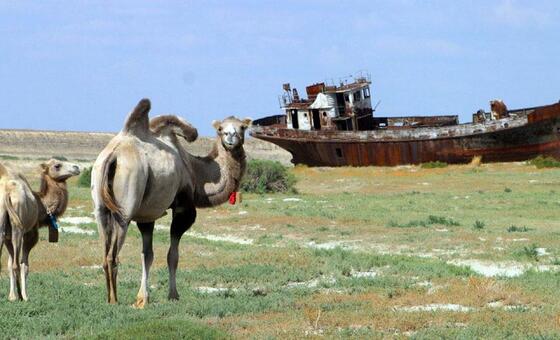
In Kazakhstan, the retreat of the Aral Sea has left a 5.4-million-hectare salt desert. More than 80 per cent of pastures in the neighbouring Kyzylorda region are degraded, while salt-laden dust can travel thousands of kilometres. A saxaul-tree programme has replanted 337,000 hectares of the former seabed and aims to reach 1.1 million hectares by 2030.
In Kenya’s Marsabit County, three decades of satellite observations show grassland giving way to barren ground around the Chalbi Desert. Current projections indicate that the desert could double in size within decades without intervention.
Restoration projects in the three countries are combining scientific measurement with community experience. Botswana’s assessment involved more than 2,000 contributors; Kazakhstan is linking climate, land and water studies to pasture planning; and Kenyan teams are pairing satellite records with Indigenous knowledge, vegetation trials and local monitoring.
The evidence points to a practical lesson: restoration is strongest when the people who depend on rangelands help design and manage the response.