
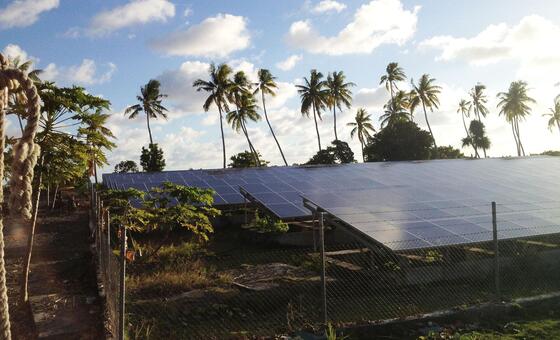
The global build-out of solar, wind and other renewable infrastructure is becoming a major land-use question, with UN experts urging governments to design projects that generate clean electricity while also restoring ecosystems and supporting local livelihoods.
Renewable projects currently occupy about 500,000 hectares worldwide, and their footprint is projected to reach three million hectares by 2032. At a side event during the UN desertification conference in Ulaanbaatar, specialists argued that location and landscape planning will determine whether that expansion repairs damaged land or adds new pressure.
Energy and restoration can share the same ground
Examples presented at the meeting included renewable development on former mining land in South Africa, solar irrigation on Indian farms, and desert installations in China that combine panels with water harvesting, vegetation and measures to control shifting sand.
These projects can deliver more than electricity. Solar panels may reduce evaporation and wind at ground level, while plants beneath or beside installations can stabilise soil, provide livestock feed or support honey production. In India, farmers have used solar power for irrigation and sold surplus electricity, creating an additional income stream without removing land from food production.
But the benefits are not automatic. Clearing vegetation, disturbing wildlife and altering water flows can create new risks, and several projects in one basin may have cumulative effects. UN experts recommended assessing biodiversity, communities, migration routes, water and disaster exposure across an entire landscape before selecting individual sites.
The central message from Ulaanbaatar was that clean-energy planning should begin with land and people, using local knowledge alongside environmental data.